Total Pageviews

Translate

Followers

Showing posts with label Complex Regional Pain Syndrome. Show all posts

Saturday, August 8, 2015

Complex Regional Pain Checklist

Complex Regional Pain Syndrome Checklist

*    Identifying the Source of pain (this is mainly to rule out other possible causes of pain)

*    Mechanical Means of Breaking Pain Cycle (crutches, limited activity, Roll aBout scooters, accommodative padding, etc) Sympathetic nerve blocks are crucial as soon as possible.
  
*    Oral Medications to Break Pain Cycle (typically lyrica, neurontin, cymbalta, elavil, etc)

*    Topical Medications/Applications to Break Pain Cycle   (lidoderm patches, compounding meds, Neuro-Eze, and many, many more)

*    Alternative (acupuncture, Calmare Pain Therapy, biofeedback, etc)

*    Nutritional (Alpha Lipoic Acid, Vitamins C, B6, B12, Inositol, Natural Thyroid Supplement, omega 3 fish oil, etc)

*    Rehabilitation of Limb Function (understanding of chronic and acute pain, when to push through pain and when to honor pain).
*    Being Productive as possible (pain is overwhelming, need to focus part of the day on some productive task)
*    Co morbidities (psychiatic counseling should be started immediately

*    Other (Ketamine Infusions, meditation, prayer)

Wednesday, September 10, 2014

Sesamoid Injury with Complex Regional Pain Syndrome: Email Advice

Good morning Dr. blake hope you are doing fine .
Thank you a lot for your help ,
Just wanted to update you regarding my algodystrophy (aka complex regional pain syndrome).
Sorry for the long mail .

I did a new X-ray which shows some areas of bone demineralization in my foot “ including some small stripes on the sesamoids”  unfortunately they didn’t give me a CD so I cannot send them to you.
The MRi didn’t show demineralization “ doctor said it’s normal in algodystrophy”
I have the synovial fluid of 4 mm under second metatarsal but doesn’t seems to cause any pain , and doctor suggested it will disappear on it’s own.

I did very good progress after 2,5 month , so now I feel my pain is mainly mechanical ‘ from bone loss” no more nerve issue I guess.
And I did a lot of efforts to relax , since there’s a real relation between pain and stress or anxiety.

Acupuncture helped me a lot , it also removed the inflammation from the sesamoid area like magic from the 2nd session.
and swimming was also beneficial.
I have reduced now my smoking habit. And trying to quit , I know this is bad for blood flow.

I can spend now an “ almost “ normal life with the help of orthotics and 2-3 Advil per day
My pain level vary between 2-3- and maximum of 5-6 – but I keep walking sometimes even with pain , since the doctor told me it’s better for bones to heal faster.

I started to feel now that I might be , from the lucky guys who will finish algodystrohy  within 6 month time frame. Still have 3.5 month So I cross my fingers.

I am mostly worried about the sesamoids areas , it is the place where all this hell started for me , and it’s the most painful site in my algo as well.
 the original tendonitis injury seem to be gone as you predicted ,
but I was wondering how long it would take for these sesamoids bones to be normal again and make mineralization.

I am afraid to live all my life in orthotics as sesamoid are very stubborn , and I read all those “ horror stories online about people stuck with this hell”
 Since my original tendonitis 10 month ago , I have tried several brands and went to professional people for custom made.. bought a lot of shoes..ect
Orthotics always coz discomfort in other areas of the foot as you know , the stress from this issue made me so anxious for 9 month and  This is what launched my regional pain syndrome I guess.
and I work in outdoor sales , so life is not fun at all with orthotics.

You told me to wear orthotics full time , and I am doing that now , even  at home
Only take them out for the shower or for the pool,

I now wear Reebok easy tone  with custom made orthotics , that what I found most comfortable.
but I hope if you can give me the name of a brand that makes  classic and formal shoes for men ideal for sesamoids.
Since at work I am supposed to wear a suit with tie and now obliged to wear jeans , I tried MBT but couldn’t balance in it and felt like wearing ladders.
this would help a lot to have something similar to easy tone but formal or classic.
Any other advise for shoes is great.

If I need a bone stimulator and I am abroad and cannot have a doctor prescription here , how we can arrange to buy it ?
And If I do buy them ,  how this would affect my healing ?

I appreciate your help

Dr Blake's comment: Thank you so very much for your email. Ebay does sell bone stimulators, but I would call Bioventus company and explain your situation. Patients do get them without an Rx online, but someone typically has to help you with an RX. I am glad the neurological part is calming down, but be careful of producing pain over level 2. I wish I could convince all my, and other, success stories that heal their sesamoid injuries. It not only happens, healing occurs in the vast majority of cases. Orthotics also are part art part science. Forces on the foot are very hard to predict and the orthotic prescriber has to be very good at the art part of it. There are so many dress shoes that have removable inserts that fit a version of the orthotic that you have. But, that is the direction, dress shoe with removable/replaceable insert that you should evaluate. I hope this helps. Rich

Wednesday, August 13, 2014

Complex Regional Pain Syndrome: Lessons learned so far

Lessons learned from the treatment of Complex Regional Pain  Syndrome

Dr Rich Blake (podiatrist)
Saint Francis Memorial Hospital, San Francisco, CA
dreamstime_s_32425575.jpg
I am treating many patients right now with a diagnosis of Complex Regional Pain Syndrome. It is a gross understatement to say I am treating them, since they can only be treated by a team of people since it is too complex. The most important person on that team is the patient, and they really call the shots, and hopefully I can help with direction and technical issues. If you are given that diagnosis, also known as Reflex Sympathetic Dystrophy or RSD, you are scared. The doctors and therapists who treat you are scared for you. The quicker the diagnosis is made and appropriate treatment is started, the better the response, but even those whose diagnosis is made at a snail's pace can get better. I love to see these patients every 2 weeks since there is so much to do and get organized. The visits should be a constant exploration and expansion of these Mainstays of Treatment: Identifying the source of pain, completely eliminating the pain cycle, nutrition, rehabilitation of limb function, being as productive as possible, and handling co-morbidities of anxiety and depression. I hope this summary does help those suffering make sure nothing is being forgotten, and every visit to the managing doc is as productive as possible.
14-0215-79.JPG
The Mainstays of Treatment are:
·       Identifying Source of Pain
1.      MRI/CT Scans
2.      Bone Scan
3.      Diagnostic Injections (local or into the back)
4.      Nerve Conduction Studies
5.      Lab Tests
           §         Sed Rate
           §         CBC
           §         Free T4 and TSH
           §         Vit B12 and D3 Levels
           §         HgbA1c
           §         Morning Fasting Blood Sugars

·       Completely eliminating/breaking the Pain Cycle
dreamstime_s_28216769.jpg
1.     Mechanical Means
           §         Roll A Bout Scooter
           §         AFO (Ankle Foot Orthotic)
           §         Crutches
           §         Tibia Wt Bearing Brace (Freedom Brace or Zero G Types)
           §         Activity Modification
           §         Custom Made Orthotics to stabilize an injured area (Hannaford based orthotic with memory
                      Foam best to start). Some patients can take no arch pressure initially and need some
                      Version of taping to get support.
           §         Taping (Kinesiotape or Support the Foot, but no complete enclosure)
 
2.     Oral Medications
          §         Anti-Seizure (ie Lyrica)
          §         Anti-Depressant (ie Nortriptyline)
          §         Others through Pain Management Specialists
          §         Low Dose Naltrexone (1-4.5 mg/day)
          §         Sublingual Ketamine for flare-ups


3.      Topical Medications/ Applications (gels and lotions best for ease of application)
          §         Warm Compresses
          §         Non Painful Massage
          §         Parafin Wax (Target sells, but heat must feel great)
          §         Chinese Herbs
          §         Lidoderm Patches (especially for sleeping, can be above the sore area)
          §         Neuro-Eze (OTC applied 3 times daily—buy online)
          §         50% DMSO cream 99.9% Pure (mixed with other medicines as below)
          §         Multiple Compounding Medications which include (usually not all of these):
                     ü      Ketamine 10%
                     ü      Clonidine 0.2%
                     ü      Gabapentin 6%
                     Ã¼      Baclofen 2%
                     Ã¼      Nifedipine 2%
                     ü      Lidocaine 2%

4.     Alternative (only in category, very main stream for this condition)
          §         Biofeedback (Thermal to increase circulation)
          §         Hypnosis
          §         Meditation (30 minutes to 1 hour per day)
          §         Acupuncture (can be to opposite limb or ear)
          §         Graded Motor Imagery (laterality flashcards and mirror therapy)
          §         Somatic Experience technique
          

·       Nutritional (next 3-12 months)
1.      Alpha Lipoic Acid 300mg 2x/day
2.      Acety-L-Carnitine 2000 mg/day
3.      Inositol 500-1000mg/day
4.      Vit B1 (5-30 mg/day)
5.      Vit B6 50mg/day
6.      Vit B12 1000mg/day
7.      Vit E (up to 1,600units/day)
8.      Vitamin C (500 mg/day for 45 days)
9.      Vitamin D 3  (1000 units/day)  --have blood level drawn and get to 45-50 level
10.    Thyroid Natural Supplements

·       Rehabilitation of Limb Function
1.      Lower Extremities (keep strong as long as pain free) Physical Therapist must be skilled in Neuropathic Pain treatment, not just musculo-skeletal.  There are times to Honor Pain and times to Push through Pain, that can change from day to day.
2.      Core (support feet and legs from above with less pressure on feet overall)
3.      Cardio (improve overall circulation and health)
4.      Whole Body (must address physical, emotional, spiritual sides together)
5.      Swimming in a Warm Water Pool is one of the best forms of rehab out there for CRPS
6.      Patient must learn how to avoid triggers (sometimes cold drafts, loud noise, etc).
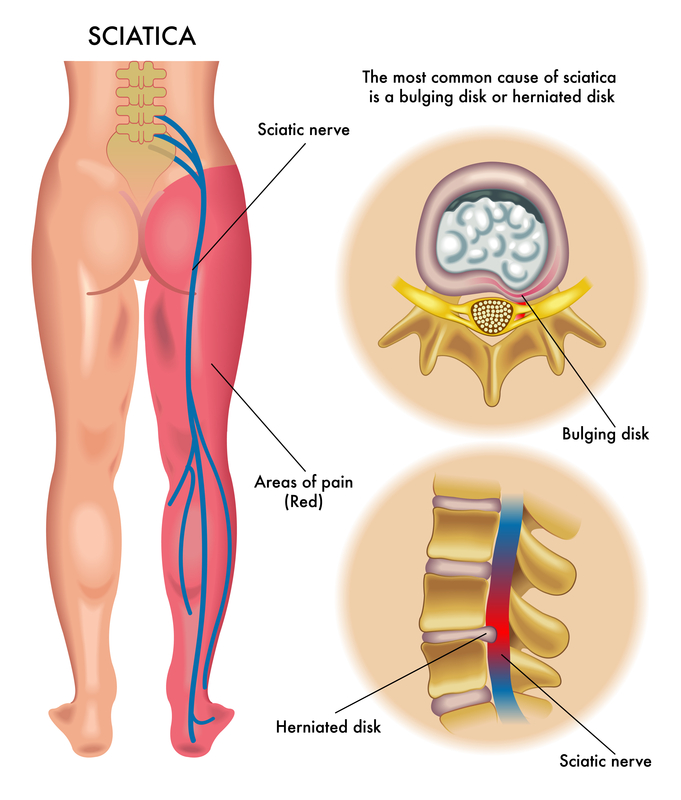
7.      Patient must have thorough understanding of the concept of neural tension and how to protect the sciatic nerve (or how not to irritate).
8.     Neural Gliding or Flossing 3 times a day with Spine Neutral
dreamstime_s_33839117.jpg
·       Being as Productive as Possible (while nerves are healing) Can Help Nerves Heal
1.      Part Time Work
2.      Volunteer
3.      Projects

·            Dealing with CoMorbities of Anxiety and Depression

Possible Sources of Information/Support/Inspiration
                   ü      American Chronic Pain Association
                   ü      American Academy of Pain Management
                   ü      Reflex Sympathetic Dystrophy Syndrome Association
                   ü      How To Cope With Pain blog
Psychological Workup/Treatment for Biofeedback/Depression/Anxiety

·        Other Important Treatment Options
1.     As the symptoms from the CRPS calms down, focus again may be necessary on the original injury which could serve as a trigger for flares.
2.    Sympathetic Blocks are crucial in the first year, and their effectiveness wanes more and more as time goes on.
3.    Consider Ketamine Infusion and Calmare Pain Therapy (if there are centers in your area) over the more aggressive Spinal Cord Stimulators. Both of these require initial 10 day commitments, but have great potential. 
4.    Neuro Prolotherapy injections are a great help to patients. 

Friday, May 30, 2014

Complex Regional Pain Syndrome: Email thoughts on possible/present treatments

This is an email I sent a patient, whom I just met, with 14 months of CRPS. The neural prolotherapy from Dr Lee Wolfer as described in my last post is helping greatly. She still has metatarsal pain so I am making soft Hannaford orthotics and sent her some of my other thoughts below. 

First of all Sally (name changed), it was a pleasure to meet you. Here are 2 links from my blog I would like you to see. 


My general thoughts for now and in the future:
  1. Continue with the Wonderful Dr Wolfer and neural prolotherapy
  2. See if Dr Wolfer will look into Calmare Pain Therapy
  3. Consider adding low dose naltrexone 1-4.5mg/day
  4. Have an Rx for sublingual Ketamine for flares if occur
  5. Purchase Neuro-Eze and apply topically 3x/day
  6. Get Hannaford orthotics for protected weight bearing
  7. Continue Gabapentin/Cymbalta/Atavan for nerve stabilization
  8. Start daily Graded Motor Imagery with laterality flashcards and Mirror therapy
  9. Remember PT and exercise are crucial, PT you must start an exercise below pain level, and very gradually increase to restore lost function
  10. May consider 50%DMSO cream (99.9% Pure) with other topicals
  11. Vit C 500mg x 45 days or with flares
  12. 30 min to 1 hour meditation per day
  13. We await reading of the MRI CD
  14. Consider sleeping with Lidoderm patches
  15. Check Vit D3 level, make sure it is at 45-50
  16. Consider Somatic Experiencing (decreases sympathetic response)
  17. Consider gluten free diet, emphasize fresh whole foods, de-emphasize highly processed foods.
  18. Do Neural Flossing 3 times per day
  19. Increase Cardio--stat bike with weight on non painful area (like arch or heel). Exercise decreases glial inflammation. 
Hope this helps. Rich

Sunday, March 16, 2014

Sunday's Video of the Week: Personal Story of the development of CRPS

I am all too aware of this devastating problem. The smarter I become at understanding, the dumber I feel. I recently caused a flare of a CRPS patient by attempting some injections proximal (above) the area. I will be forever sorry for inflicting this on my patient. It has caused multiple sympathetic blocks in the spine to help calm down, and it is still not back to its pre-injection state. These problems are the some of the most serious treated by the health care profession. I am hoping they get recognized quickly in the process, so it has an easier time being quieted. The word easier is not really appropriate.


Tuesday, September 17, 2013

Nerve Pain: Email Advice


Hi Dr. Blake,

I have been following your posts for months now.  Hope you can help in even giving me direction and whether seeing you or a different kind of doc would be best next step.

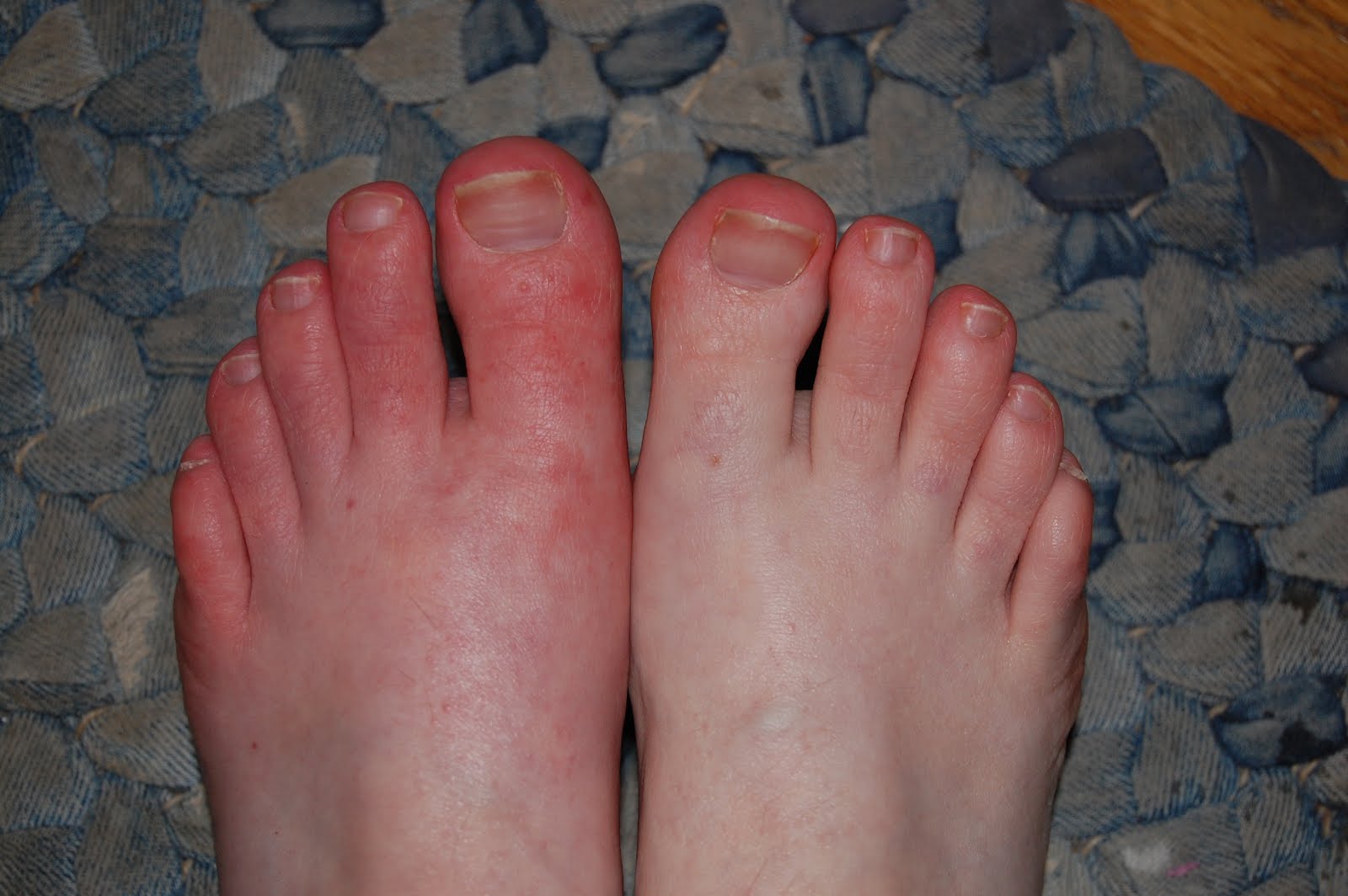
Out of the blue in Jan., I noticed a constant nagging sensation like my sock was uneven on bottom of left foot/big toe and irritating it.  When I took off sock, the foot was bright red, swollen and painful to touch esp. in the metatarsal area and more so on middle joint of big toe.  There also seem to be a lump on that joint and when I even lightly touched it, would send a radiating pain up my leg, into my back and up the right side into my neck.
Dr Blake's comment: You are talking about the femoral nerve which has a branch to the big toe and can radiate like that. I am assuming that something from that joint irritated the nerve causing the nervous system breakdown. 

And once the pain was activated, my entire central nervous system went into hyper gear and it was impossible for me to bring it down -- with many different supplements, topicals, even meditation, etc.  The other piece that went hand in hand were areas on ball of foot and around the big and second toe that were blue and even pieces of vein protruding that were the most painful areas.
Dr Blake's comment: This is sounding like RSD, which stands for Reflex Sympathetic Dystrophy.

Most of the acute symptoms have improved or disappeared since then although still some lingering issues that prevent me from going on a walk or doing even simple activities.
Dr Blake's comment: Sounds like you managed to create a nice pain free healing environment that is so important when the nervous system is barking soooo much!!

Since Jan. I have gone to a couple of different chiropractors who not only use activator, they also use techniques to break down fascia issues.  One thought that the major issue on big toe might have been capsulitis which also might be putting pressure on nerve.  I also went to osteopath.  He thought it was bursitis on big toe creating all the problems.  Also went to 2 different individuals that specialize in chiropractor neurology.  Their exam showed that the constant radiating pain had to do with pain center in brain not shutting off pain signals and my central nervous system had a hard time shifting to parasympathetic system.  Also X-ray of foot and back where taken.  No fractures in foot.  I have spinal stenosis I believe at L4/5 which I understand can trigger pain in first/second toe(???).  Also I do have a flat arch in the problem (left) foot.
Dr Blake's comment: This is helping with the whole picture. The L4 nerve root goes to the big toe. If this nerve is irritated at the back, and then irritated at the foot, a "double crush syndrome" occurs and the nervous system is very unhappy.

Practicing natural healing for decades, I have also done lots of remedies -- including vit. c, msm, an anti-inflammatory supplement with proteolitic enzymes, vit. B, B12, lion's man (medicinal mushroom for regrowing nerves), calc/mag + magnesium chloride (liquid and gel), comfrey compresses, castor oil compresses and the list goes on. I have also worked with feldenkrais practitioner and also try to stretch when id does not aggravate pain.
Dr Blake's comment: Neural Flossing or Gliding is great and relatively new to physical therapy world. It is a gentle way to stretch the involved nerves, not allowing scar tissue or swelling to collect around them. On my blog I have a video of one sciatic nerve flossing technique. 

Since Jan. I have not been able to use my customized orthotics, as areas where raised, trigger pain so I have gotten a cushy "not customized" orthotic from Walking Shoe Company that molds to foot and provides arch support.  That seems to work for now and does not trigger pain.
Dr Blake's comment: This a great idea, you have to remove any abnormal nerve stimulation.

I tried walking about 12 min. on dirt on Sunday (first time I tried to go for short walk) and couples of hours later I felt increased pain sensitivity.  Not unbearable,  rather a reminder something is still going on and simple activities still problematic. In Jan. pain level and intensity were probably a solid 10. now about 2-3 as long as I keep walking to minimum and not engage any other activities to aggravate it.

Sorry about long email.  Final comment .... being self employed, I have a very high deductible which essential means all of my medical expenses are paid out of my pocket.  Unfortunately, that piece does enter the equation of what I can do.

Thanks,
Deb (name changed)

Dear Deb,

     Thank you so very much for the email. You sound like you are at where one of my patients is right now: Wanting to remove the source since it could trigger it all over again. I do not blame you. You may have to save up your money so when you feel free to spend through your deductible (next year???) you can get the MRI or CT scan to identify the lump in your foot, and treat it. At the same time, you need to work on your back to get that as stable as possible (less chance irritating the L4 nerve root. All this can easily max a high deductible quickly, leaving 11 months to have the insurance doing the rest of the paying. I am so proud of how you dealt with the initial flare of RSD. Please send me 5-10 bullet points on the key things you felt were crucial getting this to 0-2 pain. Rich


Wednesday, July 24, 2013

Severe Foot Injury with CRPS and Possible Injections: Email Advice

 I received this email today 7/24/13. This patient is in very capable hands, with only some of the facts coming to my attention. My answers are only with great concern for the patient since it is impossible to really know what direction to answer some of the questions. Patients who develop CRPS truly suffer and need to trust their doctors. In my answer I give general guidelines, but they are only guidelines. Every guideline has exceptions, and individual situations sometimes demand taking risks. This patient is in an extreme situation where sometimes risks are worth it. So, in my answer I have many questions. I agonize over what is right.  

 I suffered a severely crushed foot one year ago today. All five metatarsal joints were fractured into many many pieces and soft tissue damage was severe. Surgery to repair them resulted in an external fixator for 8 weeks, hard cast for 2 weeks, boot for another 4 weeks ( non-weight bearing for close to 4 months). Temporary pin was removed 4 months later resulting in confirmed diagnosis of RSD/CRPS which I've been under pain management care, the surgeon's care and continuous PT.

     Foot developed severe arthritis almost immediately with osteoporosis now confirmed this week with MRI. The reason they finally did an MRI last week was because of the continued anterior ankle pain and stiffness that wasn't responding to PT and Massage therapy. I've complained about it repeatedly since I started weight-bearing last November, but no one paid any attention until last week when my foot surgeon ordered the MRI on foot plus one on the ankle. MRI confirmed a "partial thickness longitudinal split tear within the infra malleolar peroneus brevis tendon"..
Dr Blake's comment: This is tough since the peroneal tendon is along the outside of your ankle, and you describe the pain being in the front of your ankle. Also, get an ultrasound imaging of the peroneus brevis, since MRIs miscall this all the time. Let us make sure this is really a major source of your pain. 

     Surgeon immediately wanted to schedule operation to fix the tear then almost immediately remembered I was an active RSD patient. So absolutely "no surgeries" while RSD is active (which clearly could be forever). Even if RSD goes into remission and he could do surgery, it most likely would bring another attack of RSD (which is a horrible horrible disease). I still do not understand how or why the original MRI done when injured didn't mention this tear and the exact pain I have has been the same since first day of weight-bearing, so It didn't happen "latter on". I am also not convinced that this particular injury "may" be the main culprit of my RSD.
Dr Blake's comment: Unfortunately, CRPS can just develop with this scenario of severe injury and immobilization. And definitely you want to have more than one person say with certainity that your symptoms are related with this possible tear. And, if you need surgery, there are pre and post surgery protocols to limit the risk of another attack for RSD patients. 

    So -- he suggested cortisone shot which would not fix tear but "perhaps" would allow for asymtomatic pain relief until such time I could have surgical repair. I immediately said that I "thought" cortisone was harmful to tendons and ligments and he said "only if injected directly into the tendon or ligament -- he is injecting into the tendon "sheath" and that won't cause a problem he says.
Dr Blake's comment: If there is a tear, the cortisone will go into the tendon from the fluid around the tendon where it is injected into. I would be very nervous. Does cortisone going into your tendon cause a rupture all the time, definitely not. I am not sure the odds. 5% or 10%. Please ask the surgeon. You weigh those odds, with the odds of the shot helping you. Only your surgeon would have some idea. I can really only raise the questions, give generalizations, etc. Not a cop out, just reality from where I sit. 

    I am assuming it will be a long-acting cortisone. Also ice can not be used due to the RSD, so your "icing" after injection would not be possible for me. You also say I should be immobilized for 3 days - how??? Put in a brace or something? I saw your blog page where you say "never" inject long-lasting cortisone into a tendon or into it's sheath so now I am extremely confused/ worried/ and scared of more permanent damage as I already live with large level of disability with the RSD, the crushed foot, (and also my back was broken and I had a kyphroplasty to repair two crushed vertebraes).
Dr Blake's comment: Yes, do no harm. One idea is to inject long acting local anesthetic into the sheath, after 30 minutes of Synera Patch, and use an ankle brace to protect the ankle for the next 6 hours. This will tell you diagnostically if the peroneal tendon is the source of your pain. Be prepared for a 4 day flare of RSD which can be eased by the understanding that it will past, meditating, see if you can get sublingual Ketamine for the flare, and getting off your foot for several days. Definitely talk to the pain specialist and surgeon about how you will handle a flare post shot so you all have a plan. 

    Since my surgeon is actually "internationally" well-known as one of the best in the business today, I worry about constantly questioning him or telling him I read this or that that contradicts what he says to me, etc.
Dr Blake's comment: You have to feel that what you are getting done is the best. There are so many conflicting bits of information, that I constantly doubt my decisions, but at some point my patients and I have to make them. There is many rights and many wrongs. And, we all get tunnel vision in one approach. What does the pain specialist say? Does he understand about RSD pre and post surgical protocols? What are all the treatments for CRPS you are undergoing? Are you going to consider Ketamine Infusions? If you can get the CRPS calmed down, I would feel a lot better talking about injections, etc.

   " Short-acting shots normally are beneficial for 3 days and are used to quickly reduce inflammation. They are commonly betamethasone (6mg/ml) or dexamethasone (4mg/ml) formulas. Since even short-acting cortisone can cause damage/weakness to tendons, if given into tendon sheaths the body part should be immobilized for the 3 days. It is the long-acting shots that are the true healers when the inflammation is out of control, and normally what people are talking about when it comes to a cortisone shot. Long-acting cortisone shots should never be given into tendon or tendon sheaths (the covering of the tendon) since they are associated with tendon ruptures. It is important to keep the cortisone as far away from the neighboring tendons as possible." (excerpt from Dr Blake's blog).

    Since your "blog" page is from May of 2010, I am wondering if the cortisone issue has more recently been rethought and would appreciate any updated thoughts you may have. I really have encountered so much conflicting information, I feel like just giving up any hope of returning to how I was before the accident.
Dr Blake's comment: This is still my thoughts, and there has been no change in cortisone makeup or tendon anatomy. I would focus right now on getting a possible local anesthetic shot first as mentioned above, if your pain specialist feels that a shot can be safely given with perhaps sublingual Ketamine, to prove you may be a candidate for peroneal injection. Only then, should be again weigh the odds of cortisone into a tendon sheath. I hope this helps you some. Answering an email like this always makes me feel small, humble, somewhat stupid, and unbelievably touched with a sacredness. Thank you. Rich