So happy to be invited to give 2 talks in New York this Fall. The seminar will be both in-person and on zoom. It is the best United States Foot Biomechanics Seminar. Hope you can make it if you treat patients.
Welcome to the Podiatry Blog of Dr Richard Blake of San Francisco. I hope the pages can help you learn about caring for foot injuries, or help you with your own injury.
Total Pageviews
Translate
Followers
Showing posts with label Richard O Schuster DPM Memorial Seminar. Show all posts
Sunday, August 18, 2024
Great Biomechanics Seminar in November: Please read by Facebook Post
Sunday, December 4, 2022
Wednesday, November 30, 2022
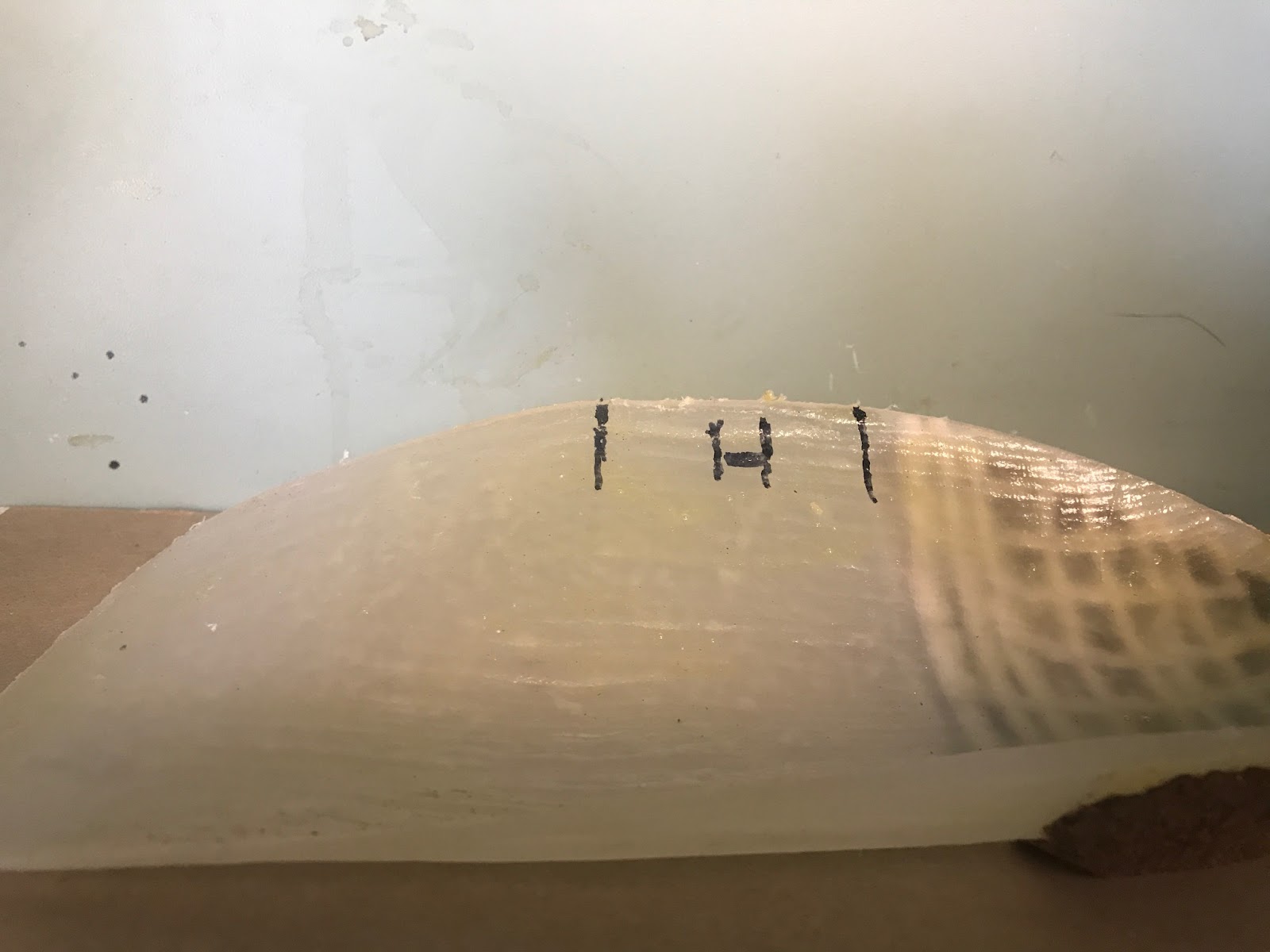
Arch Height In Custom Orthotic Devices
The "H" is the High Point for the Medial Arch in a Custom Device
The power of custom orthotic devices are so minimized by our society, and sometimes even by Podiatrists. The foot is the foundation of our bodies. If you have foot pain, you know what that means exactly when you can not walk. When you have ankle, knee, hip and back pain that has been improved by orthotic devices, you understand the importance of this foundation.
I just attended the 10th Annual Richard O Schuster DPM Memorial Biomechanics Seminar. We talked biomechanics for 2 straight days. For me, it was Podiatry Heaven. Those like me felt the same. Many of the speakers come from different approaches to Biomechanics which is all the better. You want your ideas and concepts to grow.
Tuesday, November 22, 2022
Subtalar Joint Neutral and Its Clinical Significance: Lecture Summary from the 10th Annual Schuster Memorial Seminar
The Title was: Some Fun With Subtalar Neutral
The Key Points:
- Positioning the foot and leg around subtalar joint neutral means that the stresses are even from medial to lateral
- Subtalar Joint Neutral is crucial in Repetitive Motion Activities
- Being too far from Neutral when functioning can cause pronatory or supinatory problems
- These problems can occur up the leg into the back, spine, and upper extremities
- Subtalar Joint Neutral has primarily a weight bearing significance
- Clinically it is observed from the alignment knee to foot or tibia to heel bisection (this is also called the TC or Achilles Angle)
- Most patients do not stand or walk in Subtalar Neutral due to variations in Tibial Varus or Valgus
- This variation gets more exaggerated when the varus or valgus starts in the knee (genu varum or genu valgum)
- Most podiatrists obtain stability in their patients by heel verticality
- Clinically it is important to know when this heel verticality is not close to subtalar neutral (on the pronated or supinated side) due to symptoms produced or not improved
Here subtalar neutal and heel verticality are together in this stable foot
Here the left foot demonstates how subtalar joint pronation away from neutral setting up the left foot for pronatory symptoms from the foot up the lower extremity change. The initial goal of treatment here will be heel verticality to make significant positive change. If the patient is not responding to treatment, then the heel will be placed in more varus positioning closer to subtalar neutral. I tend to add a Kirby Skive to my orginal RX to obtain this improved varus correction.
Here the right foot is supinated away from both heel verticality and subtalar joint neutral. The goal of lateral support to bring these two positions into better alignment (more vertical heel and more in subtalar joint neutral) are placed in the RX.
Here Subtalar Joint Neutral would position the foot very supinated to the ground. Dr Merton Root taught to position this foot type 2 degrees from the maximally pronated position. Dr Kevin Kirby designed the Maximum Pronation Test to ascertain whether the patient was maximally pronated.
Here the Subtalar Joint Neutral Position is 13 degrees everted to the ground due to the high Genu Valgum present. The right foot is therefore functioning 6 degrees in a subtalar joint supinated position and the left foot 3 degrees in a subtalar joint pronated position. Ideally, your initial RX should be to stabilize the foot with Root Balancing of Forefoot Deformities and a left 3 mm Kirby Medial Heel Skive. This helps get the midtarsal joint maximally pronated for incredible foot stability. Remeasuring of the RCSP with the new orthotic devices should show 13 degrees of RCSP bilateral. This will make the foot more stable.
Subscribe to:
Posts (Atom)